
Physical Features
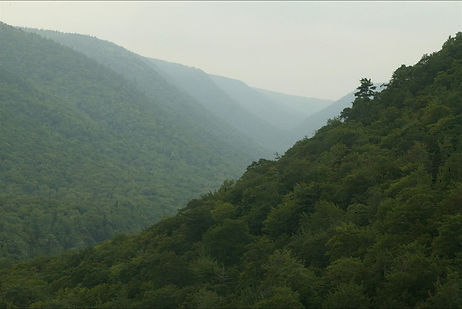
The stunning physical features of here fascinate the eyes of everyone who comes. Quoted,"where the mountain meets the sea," you can get a feel of what almost every land form is like here. From the elevated plateau to the cliff edges, all of these attributes add to the natural beauty and authenticity of this park.
Water Bodies
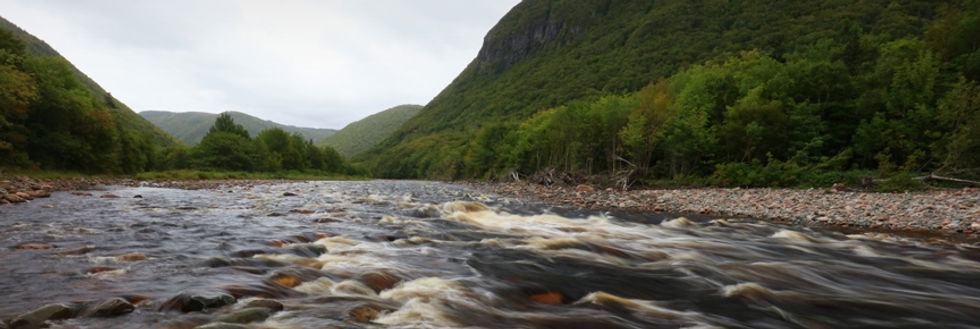
There are 16 major watersheds in the park which were created from the surrounding water bodies (Gulf of St. Lawrence and Atlantic Ocean). Many rivers follow the fault lines which are millions of years old.
10,000 years ago, acidic lakes were formed due to moving glaciers which also created salty barrier beaches near the coasts.
Soil
60% of the park is covered by glacial till, 20% is covered by deposits by the weathering of mountains, 10% of the park is covered by decomposing plant matter (organic peat) and the rest of the park is covered by deposits left by rivers and flooding. Most of the soils in the park are acidic soils (podzols), and other soils include (regosols) which are rocky soils, rich hardwood soils called brunisols, and soils composed from plant matter (fibrisols). Soil is also degrading because of moose and human trampling.
Climate
The climate is affected by global air pressure systems, continental winds and the location relative to other places. Climate changes very quickly here and fog is very common. 300-400 cm of snow fall every year and precipitation is very common here. Winds also come from the west for most of the year, except 4-6 weeks in the spring. There winds sometimes create hurricanes known as "les suetes' which could reach up to 200km per hour.
The high elevation of the plateau (400 m above sea level) also makes this region a distinct climate region in Nova Scotia.